• Work
  • About
Menu

Aonghas Crowe

  • Work
  • About
DSC04547.jpg
Genki bai.IMG_0963.jpg

Genki-bai!

February 22, 2018

Finally, an answer to something I should have figured out long ago, but didn't! What is the difference between the copula (sentence endings) ~tai (〜たい) and ~bai (〜ばい).

~tai (〜たい) is equivalent to ~da (〜だ) or ~desu (〜です) in standard Japanese and can be translated into Japanese as is/be.

~bai (〜ばい), on the other hand, has a similar meaning, but is used for emphasis. It is similar to ~dayo (〜だよ) or ~desu (〜ですよ). Like adding a "hurumph" to the end of your sentence.

The pictures were taken during the Dontaku Festival in May of 2005, shortly after our big earthquake in March of that year. The mascots and blimp-like balloons all say "Genki-bai!" (元気ばい!), meaning "We're (as if Fukuoka) are doing great!"

If Tony the Tiger were from Hakata, he would just say "They're grrrreat!" He's say, "They're grrrreat-bai!"

Genki bai.IMG_1010.jpg
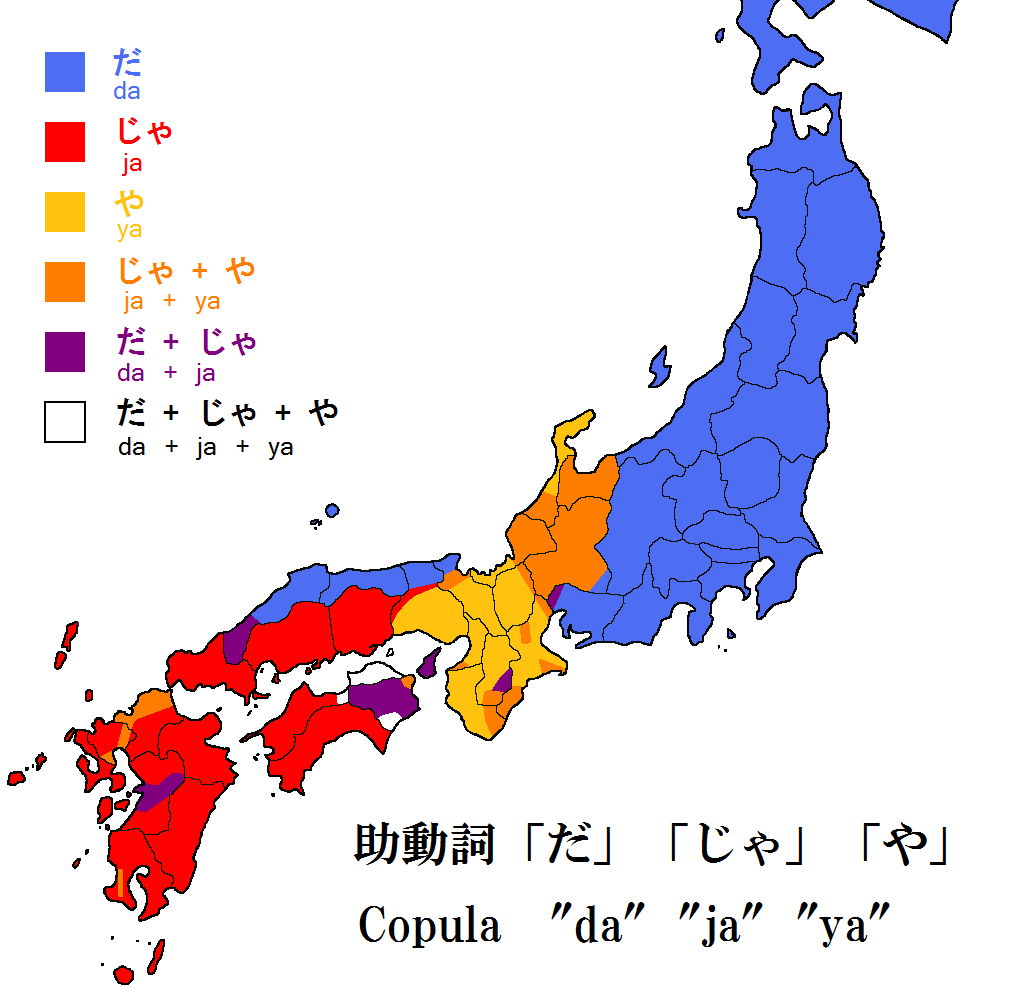
How the copula changes from region to region.

How the copula changes from region to region.

For more on Japanese dialects go here.

In Life in Japan Tags Japanese Dialects, Hakata Dialect, Kyushu Dialect, 2005 Fukuoka Earthquake
Comment
Harbingers.imgp1765_r.jpg

Harbingers of Spring

February 21, 2018

The Japanese will tell you that nothing quite heralds the coming of spring like the ume blossoms of February. In my opinion, however, there are no harbingers of the season better than the coveys of road construction crews, which can be spotted throughout country in the months leading up to April.


Easily recognizable by their white crowns and the vertical yellow stripes on their breasts and backs, the crews have a mating call that is quite distinct—ja-ja-ja-ja-jack, ja-ja-ja-ja-jack. The crews forage deep in the ground seemingly at random; and, having found what they are after, the will replace the top layer of earth with asphalt and quickly migrate off to only Mother Nature knows where.


Back in the days when I did a lot of translation work, there was a hackneyed phrase that I was often forced to render into English: utsukushii shizen ni megumareta (美しい胃自然に恵まれた, lit. “blessed with beautiful nature”). I would translate this in a variety of ways, such as “The prefecture is blessed with bountiful nature”; “The city is surrounded by an abundance of natural beauty”; or “The town is surrounded by beautiful nature.” Occasionally, I might slip something like “Located in an idyllic natural setting, . . .” into my translation, but I found that if I took too much poetic license, the translation would invariably come back to me with the complaint: “But, you left out ‘beautiful’.” Or, “You failed to mention ‘nature’!”.


The thing that exasperated me, though, when I was doing these translations is that I would gaze out of my office window and look at the jumble of telephone wires and cables, the scarcity of trees, the concrete poured over anything that wasn’t moving, the gray balconies and staircases stretching as far as the eye could see, and shout, “Where the hell is this ‘beautiful nature’? Tell me!! Where is it?!?!”


Having grown up on the west coast of the United States, I know what unspoilt nature is supposed to look like. In my twenty-plus years living in and traveling around Japan, however, I have yet to find a place that has not been touched by the destructive hand of man. Mountains that have stood since time immemorial are now “reinforced” with an ugly layer of concrete; rivers and creeks are little more than concrete sluices; and Japan’s once beautiful coastline is an unsightly jumble of tetrapods—concrete blocks resembling giant jacks—that are supposed to serve as breakwaters but may actually be causing greater erosion. One of Japan’s chronic problems is that, once something has been set into motion, it is often difficult to change course. As a result, by the early 1990s more than half of Japan’s coastline had already been blighted by those ugly tetrapods. I dread to know what the figure is today in 2017.


Were I to form my own political party, one of the first campaign promises I would make is to form a Ministry of De-Construction. The MDC would remove unnecessary dams, tetrapods, concrete reinforcements, and so on; the idea being to put Japan’s ever so important general construction industry to work by undoing all of their eyesores. Second, where the dams, reinforcements and tetrapods truly were necessary, I would ensure that they be concealed in such a way to look as natural as possible. Third, the cobweb of electric cables and telephone lines would once and for all be buried. Fourth, there were would be stronger zoning and city planning to reign in urban and suburban sprawl and create compact, highly dense cities that are separated from each other by areas of farming, natural reserves, and parks. Fifth, diversity would be reintroduced to the nation’s forests. No more rows upon rows of cedar that not only look ugly, but give everyone hay fever.


Unfortunately, none of these things are bound to happen anytime soon. The Japanese are so accustomed to being told in speeches and pamphlets that their town or city is blessed with beautiful nature that they have come to believe it despite what they surely must see with their own eyes.


Familiarity sometimes breeds content.

Harbingers.IMG_1180.JPG


なによりも

春を先触れ

土木かな


Nani-yori-mo

Haru-o sakibure

Doboku kana


Nothing quite heralds

the coming season of spring

like public works.


Tags Spring in Japan, Ume Blossoms, Nature, Harbingers of Spring
Comment
Shrinkflation.jpg

That Shrinking Feeling

February 15, 2018

Not long after the sales tax was increased from 5% to 8% in 2014, I started noticing changes in the products I regularly bought. Slices of cheese were now being sold in packs of 7 rather than 10. My favorite brand of milk now came in cartons that were 10% smaller.

This phenomenon, called "shrinkflation" is not unique to Japan. It has been well documented, and whined about, in the West where companies didn't even try to conceal their cost-cutting schemes.

Toblerone.jpeg

In Japan, companies have been subtler and if you weren't on the ball, you might have missed the changes entirely. Fortunately, someone has been paying attention and cataloging the changes. Every now and then, I will return to this post and add examples of shrinkflation. 

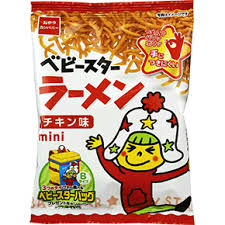
Baby Star Ramen Mini.jpeg

Baby Star Ramen mini

In 2007, 30g sold for ¥30, excluding tax.

In 2010, the package was reduced to 23g.


Kaki no Tane.jpg

Kaki no Tane

In 2013, it was reduced from 230g to 210g, the price rising from ¥158 to ¥198 (excl. tax).

In 2014, it was reduced further to 200g, while the price remained the same.

Kameda provided no explanation for the change. 

Calbee Potato Chips.jpeg

Calbee Potato Chips

In 2007,  a ¥100 bag was reduced from 70g to 65g.

In 2009, it was reduced again to 60g.

Homerun.jpg

Homerun Bar

In 2008, ¥330 got you 10 x 50ml bars.

In 2016, you got 10 x 45ml bars.

Unknown.jpeg

Pocky Chocolate

In 2007, the number of was reduced to 2 bags containing 17 sticks each, down from 19. The weight of each stick was also reduced from 80g to 72g. The price, however, remained ¥150.

In 2015, the amount remained the same, but the price was increased to ¥160 (ex. tax).
 

Roast Pretz.jpg

Glico Pretz (Roast)

In 2009, the amount was reduced from 70g to 65g.

In 2014, although Pretz continued to sell for ¥120, the amount was reduced again to 62g.

Unknown.jpeg

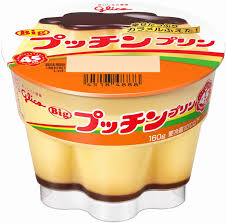
Glico Big Pucchin Pudding

A favorite with my boys, Pucchin Pudding was reduced in 2017 from 176g to 160g. It continued to be sold for ¥130.

This is a work in progress. I will make a gallery of these photos soon. 

Comment
IMG_4503.jpg

Woman Kinder-rupted

February 12, 2018

My wife dashes out the front door, our six-year-old son, half-dressed in his karate "dogi," scurrying behind her. “We’re going to be late! You can tie the obi in the elevator.”

It’s Tuesday again, which means my wife had to pick our two boys up at their kindergarten bus stop at 2:40 p.m., then drop the older one off at his 3 p.m. "soroban" (abacus) lesson at the local community center. Fifty minutes later, she fetched him so he could have a quick bite at home before shuttling him back to the center. Like many of the other mothers, she will observe the entirety of his karate lesson, dutifully taking notes and occasionally videoing. Once home, she will go over what our son has learned that day, and admonish the boy if necessary, before putting him and his younger brother to bed with a book or 10. Tomorrow it is soccer practice. The day after that, “Play School.” Fridays are for English and, once again, karate.

Although Japanese women are said to be some of the most highly educated women among OECD countries, their participation in the labor force, at 48.7% in 2014, is much lower than the average, and falling. Part of the decline is due to Japan’s aging society — male participation in the labor force dropped from 78.2% in 1993 to 70.1% in 2014 — but the main reason that comparatively few Japanese women work is due to societal demands on mothers. According to The Economist, “When [Japanese] women have their first child, 70% of them stop working for a decade or more, compared with just 30% in America. Quite a lot of those 70% are gone for good.”

To address this, Prime Minister Shinzo Abe announced in 2013 that raising the female participation rate and allowing women to “shine” in the workplace would be one of the most important aspects of his Abenomics growth initiative. While I applaud any effort to support working mothers, my courtside perspective on parenting in Japan has me doubting how successful his proposal will be in the end.

Japanese corporate culture — the dominance of males in the workplace, "sabisu zangyo," i.e. unpaid overtime, "matahara" (maternity harassment), etc — is often cited as the one of the main obstacles holding Japanese women back. I find, however, that rather than this oft-maligned “honne"culture, it is the demands of the home culture — namely, the daily imperative of rearing and educating one’s own children — that has so many mothers in this country shunning full-time work.

Although the percent of Japanese children left at daycare peaks at 42.6% when children are three years old, from the age of four (the age at which kids enter kindergarten), 52.9% are in kindergarten, compared to 39.4% at daycare. By age six, 62.3% of kids are enrolled in kindergarten; and only 37.7% at daycare.

You might think that with the little ones parked in “kindy” all day, a mother would have a sudden windfall of free time — and so did I when our second son was also enrolled — but think again. For one, most kindergartens in Japan only keep the children for three to five hours a day, compared to seven or eight in the U.S. And, two, the typical kindergarten places great demands upon parents, the bulk of which falls upon the mother. Duties include serving lunch, taking part in excursions, attending monthly social gatherings for guardians (read mothers), event-planning, sitting in on lectures, serving on the executive board, and on and on.

Then there are the extracurricular activities to which mothers must ferry their young children to and from. The typical Japanese child attends two to three lessons a week, some as many as five or six. Many mothers believe that these lessons, which run the gamut from swimming and soccer to piano and cram school, are necessary to ensure their children’s future success and can spend upwards of ¥30,000 a month on them.

Many Japanese women so feel strongly that it is their role to not only raise, but to also discipline their children, that they are loath to leave much to chance. I can’t help but wonder how many mothers with young children would be willing to return to the workplace no matter how brightly they were permitted to shine.

I’d love to ask my own wife what she thinks about all this, but she’s scrambling out the front door again: it’s her turn to put the kindergarten’s library in order.


For some reason, Japan Today has taken my name off of my articles. 

In Raising Kids in Japan, Parenting Tags Kindergarten, Raising Kids in Japan, Extra-curricular Activities, Soroban, Karate, Abe, Abenomics
Comment
Grams of Prevention.jpg

28.4 grams of prevention

February 7, 2018

They say 28.4 grams of prevention is worth 2.2 kilograms of cure, or something like that, but my sons weren’t having any of that banal malarkey. Nope. The two refused to wash their hands or gargle or wear a mask, no matter how nicely I asked.

So, I pestered: “For crying out loud, would you wash your hands when you come home!”

“No!”

I tried reverse psychology: “Fine! Don’t wash your hands. If you want to get sick, then get sick. It’s your choice.” Unfortunately, that had, had the opposite effect because getting sick meant staying home from school.

I read picture books to them about germs and hygiene. But the boys remained unmoved, unconcerned and unconvinced.

So, I cajoled and bribed: “Hey, kiddo, I’ll give you ¥50 if you wash your hands… ”

“Only ¥50?”

“A hundred. I’ll give you a ¥100.”

“No thanks.”

“No thanks? That’s good money! Ungrateful little… ”

In the end, I gave up, bowing to the inevitable: a full-blown flu epidemic in our home.

Patient zero was my younger son.

All the kids sitting at his lunch table at kindergarten became sick at the same time. Kindergartens, I discovered quite early, cultivate not children’s curiosity and emotional wellbeing, but mostly their germs.

The 5-year-old would spend the next week and a half coughing and wiping his snot on every surface he could reach, like a stray dog marking his territory. In that first week, I beseeched my older son to keep his distance, but the rascal couldn’t resist tormenting his sick brother day in, day out. That’s what older brothers are put on this earth for, after all. In the end, he, too, came down with the flu and spent the weekend vomiting.

“See? I told you to stay away from your brother and now look at you.”

He stuck his tongue out at me.

“Do you enjoy throwing up?”

“Yes.”

Local school regulations in Fukuoka City require children sick with the flu to remain home for three days after a fever subsides, meaning my son would have most of the following week off. Lucky for him, he was feeling much better after only two bedridden days and was ready to par-tay. No sooner did he show signs of recovery, however, than my wife became sick, too. And, the next day as I was out of town on business, I succumbed myself. It was to be expected. When you sleep with your children like the Japanese do, the bedroom is a petri dish.

On my way home from the station, the taxi driver seeing my mask asked if I had the flu.

“I’m not sure yet, but it does have all the hallmarks of influenza.”

“They say Fukuoka’s in the best three,” the driver said.

“Best? Don’t you mean the worst?”

The driver was right. Fukuoka Prefecture had the third-highest incidence of the flu after Kagoshima and Miyazaki. Oita, Saga, and Nagasaki come in sixth, seventh, and eighth respectively. Nationally, children up to the age of 9 have been hardest hit, with almost 600,000 cases being reported so far.

The following morning, my doctor stuck a pool cue up my nose, tickled my brain and diagnosed me with the same strain that had already infected everyone else in my family: Type-B influenza. Symptoms include a slight fever, joint pain, fatigue, a sore throat, a runny nose and a cough. It’s not the worst strain of the disease, but you can expect to feel out of kilter for about a week.

Just as my older son was making a full recovery and set to return to school, we were sent an email informing us that because 10 of his 28 classmates were now sick, his class would be closed for a week.

“Hooray!” he shouted in triumph. “My second winter vacation!”

I suspect my son imagined a week filled with cartoons, DVDs and Netflix, picture books, board games, dodgeball in the park, ice skating and so on. But, no, this being Japan, his teacher paid our home a visit, carrying a nice fat packet of homework.

Six months pregnant with her third child, Sensei was once again going above and beyond the call of duty. Among Organization for Economic Co-operation and Development (OECD) countries, teachers in Japan put in the longest working hours and earn much less than their more laidback counterparts in the U.S., Canada and Australia. It’s not surprising how teachers here can rack up the hours walking from house to house, making sure their charges have the necessary study materials. Seeing this dedication to the job in action, my wife and I thanked Sensei profusely through our surgical masks.

“Thanks for nothing,” my son shouted after his teacher left.

It was only then that the value of simple prevention finally hit home. When my son returned from soccer practice today he washed his hands without being asked and I nearly fainted.

In Raising Kids in Japan, Parenting Tags Raising Kids, Influenza, Fukuoka, Hand Washing, Flu Prevention
Comment
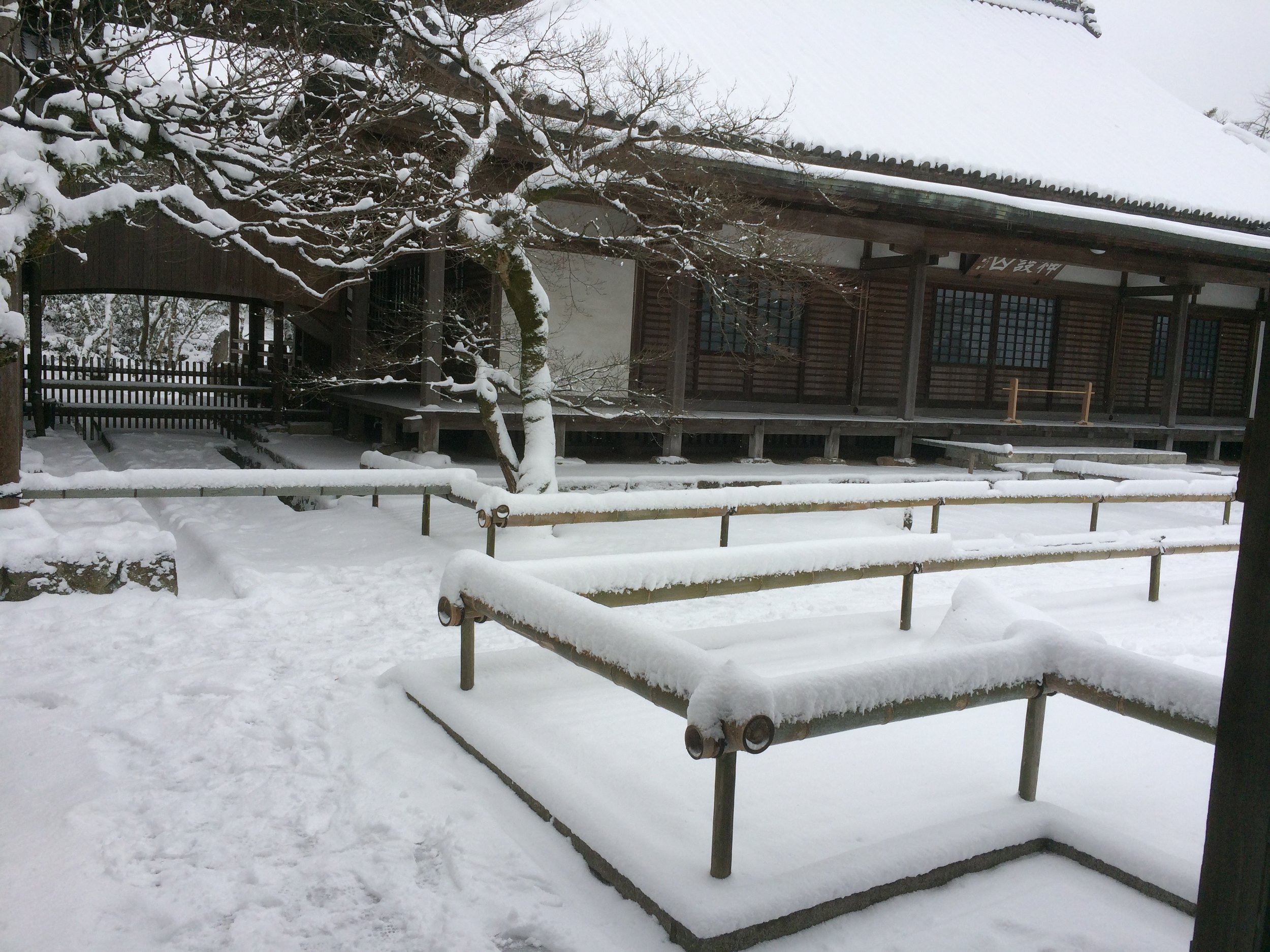
IMG_3294.jpg

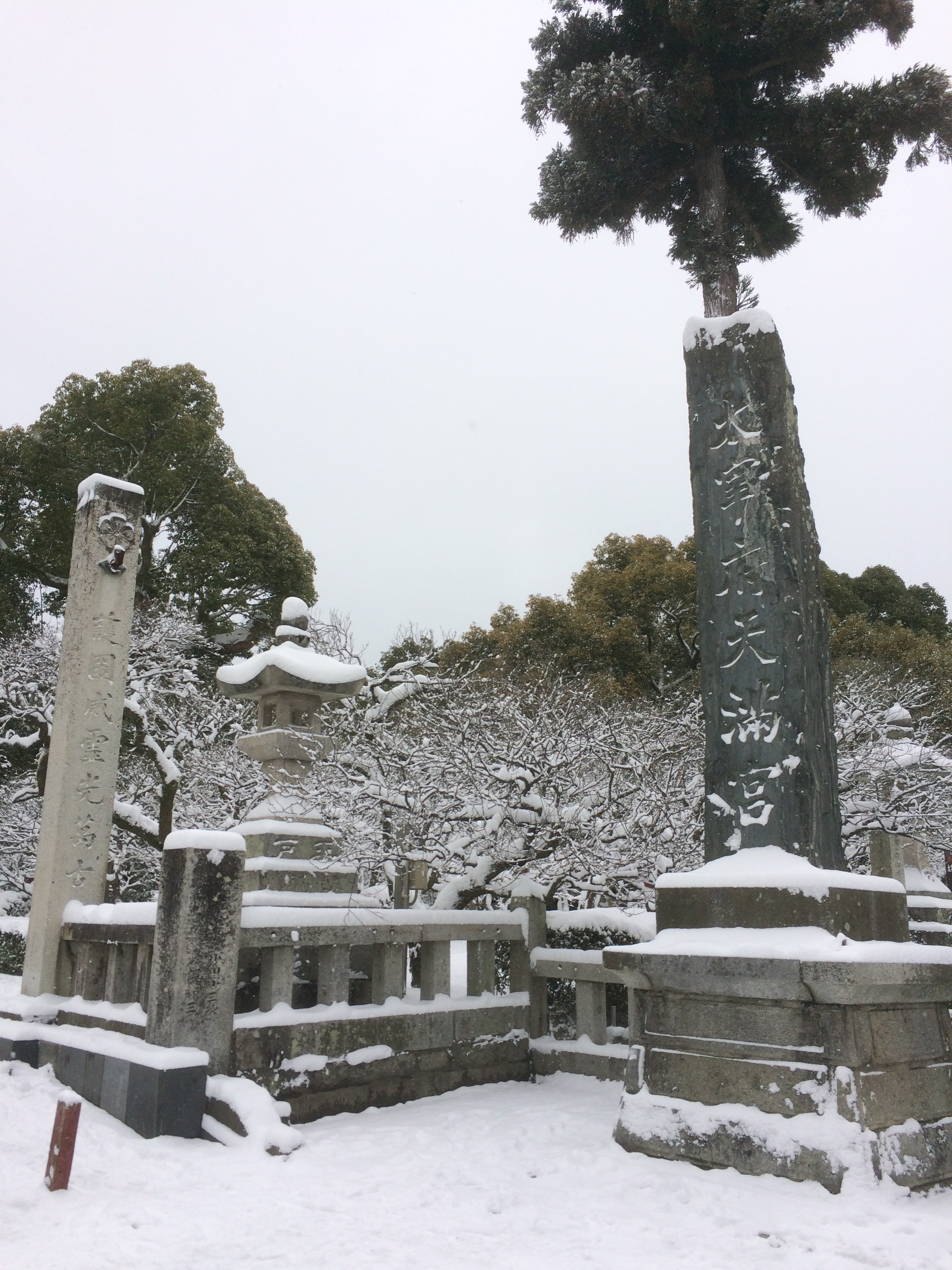
The Blizzard of '16

January 26, 2018
IMG_3301.jpg
IMG_3330.jpg
IMG_3307.jpg
IMG_3324.jpg
IMG_3312.jpg
In Winter in Japan Tags Snow, Dazaifu, Fukuoka
tt_c180119.jpg

Mulligan

January 25, 2018


Apparently, the Family Research Council's Tony Perkins thinks Trump should get a "mulligan" on his Story Daniels affair. I doubt the evangelical leader would have been as forgiving if Obama had cheated on his wife . . .


“Forgive me, Father, for I have sinned. My last confession was so many years ago I cannot remember . . . These are my sins. I had an affair with a porn star shortly after my third wife . . .”

“Third?”

“Um . . .yes, but don’t worry the other two wives were INSANE and the Church, God bless them, saw fit to annul the marriages. Or at least I think they did. I could be wrong. Which would be a first, believe me.”

“I see. And is this the only illicit relationship you have had . . .”

“Only? No, no, no. There was that Playboy bunny, and oh so many more. Believe me! See, I’m a HUGE star. Women, and I'm telling you gorgeous women, they just let me grab their puss . . .”

“Mulligan.”

“I get a pass? Oh, thank you, Father! I knew I had a fantastic relationship with the Catholics.”

“Um, no. I’m going to refer you to Father Mulligan. He’s our resident exorcist.”

In US Politics Tags Trump, Stormy Daniels, Affair, Evangelicals, Confession, Hypocrisy
Comment
← Newer Posts

Latest Posts

No results found
Newsletter Block
This newsletter signup form needs a storage option. Edit the block and enter a storage location via the Storage tab.

Subscribe

Sign up with your email address to receive news and updates.

We respect your privacy.

Thank you!
Blog RSS

Blog

Featured
Hikyaku Courier.png.webp
May 17, 2026
Hikyaku
May 17, 2026
Read more →
May 17, 2026
Why do Fukuoka Schools Celebrate in May.png
May 16, 2026
The May Miracle: Why Fukuoka’s Schools Are All Celebrating Right Now
May 16, 2026
Read more →
May 16, 2026
533578549_779743457907505_9184140746382917063_n.jpg
August 19, 2025
Fighting in the Pacific Theater Post August 15
August 19, 2025
Read more →
August 19, 2025
que-12241102027.jpg
March 26, 2025
 Meiji Modernization and German Influence
March 26, 2025
Read more →
March 26, 2025
Screenshot 2025-02-04 at 6.21.14.png
February 4, 2025
Risshi-Shiki
February 4, 2025
Read more →
February 4, 2025
政党の変遷_20181001.jpg
November 3, 2024
Japan's Political Parties
November 3, 2024
Read more →
November 3, 2024
EB9D8A29-A874-400F-9D59-619E85CFD8C5.png
September 9, 2024
Keio JR High School’s Entrance Exam
September 9, 2024
Read more →
September 9, 2024
Sinburyou.jpg
March 25, 2024
Shinburyo
March 25, 2024
Read more →
March 25, 2024
GH1mAHXXUAAaJgc.png
March 18, 2024
Survival Japanese
March 18, 2024
Read more →
March 18, 2024
Usui.jpg
February 20, 2024
Usui
February 20, 2024
Read more →
February 20, 2024

INSTAGRAM

View fullsize All ready for Thanksgiving.

#shochu #imojochu #焼酎 #いも焼酎
View fullsize Display Cases of Kyoto
View fullsize Inuyarai in Kyōto 

京都の犬矢来

Found under the eaves of townhouses (machiya) in Kyoto and along the road, inuyarai were originally made of split bamboo. In modern times, however, they are sometimes made of metal. The original purpose of the arched barri
View fullsize Walls in Gokusho Machi, Hakata
View fullsize The 15th of August is the last day of the Bon Festival of the Dead, Japan’s version of Dia de muertos. On this day, Japanese say goodbye to the spirits of their ancestors. Today I say goodbye to my last drop of Yamato Zakura Beni Imo 35%. Forgi
View fullsize Azaleas at Fukuoka’s Kushida Shrine 

#櫛田神社 #Kushida #springinjapan #Fukuoka
View fullsize Mugon (Tacit, lit. Without Words) rice shōchū genshu from Sengetsu Distillery of Hitoyoshi, Kumamoto. Aged in cypress casks, I believe, it retains that telltale hinoki scent. I normally don’t drink Kuma-jōchū, but this is lovely. I’ll buy
View fullsize Another one of my somewhat hard-to-find favorites. Sang Som from Thailand. So smooth. I used to keep a bottle of it at Gamaradi before the pandemic. May have to do so again. Missed it. Missed Mr. Chang.
View fullsize First drink of the New Year is the best find of the past year: 

Yaesen Shuzō genshu #awamori from #Ishigaki Island. Aged in oak barrels, it has the nose of whiskey, the mellow sweet taste of a dark rum. At ¥5000 a bottle, it’s rather price
View fullsize Santa arrived early and just in time for Labor Thanksgiving Day 🇯🇵 

Two bottles of imo shōchū—one is a favorite, the other an interesting find I happened across during a short visit last summer to the Koshiki archipelago off the western coas
View fullsize Mission accomplished!

Dropped by the new Flugen in Hakata to drink one of my all-time favorite spirits, the somewhat hard-to-fine-but-worth-the-search Linie Aquavit from Norway.

#Flugen #Aquavit #Hakata
View fullsize Two or three weeks ago a friend invited me to join him at a big shōchū and awamori wingding at #FukuokaDome. Ended up buying about ten bottles of booze which I have stashed away at the in-laws’ for safekeeping. Of all the things I bought, this
View fullsize Takumi has once again included Maō in one of their #shochu box sets. At ¥5550, it’s not a bad deal. 

Kannokawa genshū—another favorite of mine made with anno sweet potates from Tanegashima—sold me. Ended up buying two. 

#かんぱい
View fullsize A little present to myself to mark the midpoint of the semester. Easy coasting from here.

Cheers and kampai!

#いも焼酎 #imoshochu #shochu #大和桜 #YamatoZakura
View fullsize Naha, Okinawa

#マンホール #Manhole #Naha #Okinawa #shisa #シーシャ
View fullsize At American Village in Chatan, Okinawa.

#北谷 #マンホール #沖縄 #Manhole #Chatan #Okinawa
View fullsize Final bout lasted 8 seconds. So, I guess it’s safe to say we’ve got that fickle momentum back.

#Karate #空手 🥋 #Kumite #組手
View fullsize 京都ぶらぶら

A long, slow walk through Kyōto
View fullsize 京都ぶらぶら

Kyōto stroll
View fullsize Always good to visit with my fellow traveler.

Gourmets of the world unite!
IMG_3919.jpg

KAMPAI Blog

Featured
Screenshot 2024-02-07 at 17.39.19.png
February 7, 2024
60 : 35 : 5
February 7, 2024
Read more →
February 7, 2024
1614050579_3.jpg
May 15, 2023
Satsuma Imo Motogusare Disease
May 15, 2023
Read more →
May 15, 2023
Seifuku Imuge.jpeg
June 22, 2021
Seifuku's Imugé
June 22, 2021
Read more →
June 22, 2021
May 24, 2021
Kachaashii
May 24, 2021
Read more →
May 24, 2021
MCHS1968.jpeg
May 16, 2021
Destine
May 16, 2021
Read more →
May 16, 2021
April 26, 2021
Moriawaro
April 26, 2021
Read more →
April 26, 2021
March 3, 2021
Kampai Shanshan
March 3, 2021
Read more →
March 3, 2021
IMG_2395.jpeg
January 28, 2021
Mitake Genshu
January 28, 2021
Read more →
January 28, 2021
Kikoji.jpeg
January 27, 2021
Kokubu Kikoji Kura
January 27, 2021
Read more →
January 27, 2021
Hakaio.jpeg
January 15, 2021
Hakaio
January 15, 2021
Read more →
January 15, 2021
rokuban+wing+2.jpg

Too Close to the Sun

Featured
February 20, 2019
80. Why the long face?
February 20, 2019
Read more →
February 20, 2019
February 20, 2019
79. The Itch
February 20, 2019
Read more →
February 20, 2019
January 24, 2019
78. Soaring
January 24, 2019
Read more →
January 24, 2019
January 23, 2019
77. Yaba Daba Doo!
January 23, 2019
Read more →
January 23, 2019
January 3, 2019
76. Let's Make a Deal
January 3, 2019
Read more →
January 3, 2019
November 22, 2018
75. The Pied Piper of Patpong
November 22, 2018
Read more →
November 22, 2018
November 16, 2018
74. Ping Pong Pussy
November 16, 2018
Read more →
November 16, 2018
October 18, 2018
73. Yaba
October 18, 2018
Read more →
October 18, 2018
October 16, 2018
72. Lightning Strikes Twice
October 16, 2018
Read more →
October 16, 2018
October 10, 2018
71. Contacting De Dale
October 10, 2018
Read more →
October 10, 2018
A Woman's Tears.jpg

A Woman's Tears

Featured
April 2, 2018
18. Just When I Stop Looking
April 2, 2018
Read more →
April 2, 2018
April 1, 2018
17. Catch and Release
April 1, 2018
Read more →
April 1, 2018
March 29, 2018
16. Nudging Destiny
March 29, 2018
Read more →
March 29, 2018
March 25, 2018
15. HAKATA RESTORATION PROJECT
March 25, 2018
Read more →
March 25, 2018
March 20, 2018
14. Reversible Destiny
March 20, 2018
Read more →
March 20, 2018
March 12, 2018
13. Graduation
March 12, 2018
Read more →
March 12, 2018
March 12, 2018
12. Reading Silence Aloud
March 12, 2018
Read more →
March 12, 2018
March 7, 2018
11. Shut Out
March 7, 2018
Read more →
March 7, 2018
March 6, 2018
10. The Second Night
March 6, 2018
Read more →
March 6, 2018
February 28, 2018
9. At the farmhouse
February 28, 2018
Read more →
February 28, 2018

Silent Ovation

Featured
Ovation.11.png
February 27, 2024
11. High School
February 27, 2024
Read more →
February 27, 2024
Screenshot 2024-02-11 at 4.25.37.png
February 11, 2024
10. Taichiro Remarries
February 11, 2024
Read more →
February 11, 2024
Screenshot 2024-02-05 at 6.24.29.png
February 5, 2024
9. Death of My Father
February 5, 2024
Read more →
February 5, 2024
hand1.gif

A Woman's Hand

Featured
January 24, 2019
52
January 24, 2019
Read more →
January 24, 2019
January 24, 2019
51
January 24, 2019
Read more →
January 24, 2019
January 23, 2019
50
January 23, 2019
Read more →
January 23, 2019
January 3, 2019
49
January 3, 2019
Read more →
January 3, 2019
November 22, 2018
48
November 22, 2018
Read more →
November 22, 2018
unnamed-1.jpg

A Woman’s Nails

Featured
CHHn-rqUIAA4iPq.jpg
February 21, 2021
14. Nekko-chan
February 21, 2021
Read more →
February 21, 2021
71e7595d28eb0d7d76becf80c766aba2_3.jpg
February 20, 2021
13. Tatami
February 20, 2021
Read more →
February 20, 2021
February 18, 2021
Yoko (Extended Version)
February 18, 2021
Read more →
February 18, 2021
197512.jpg
February 18, 2021
11. Yoko
February 18, 2021
Read more →
February 18, 2021
February 17, 2021
10. Yumi
February 17, 2021
Read more →
February 17, 2021
00006204.jpg
February 16, 2021
9. Mie
February 16, 2021
Read more →
February 16, 2021
aonghascrowe-reina-2.jpeg
February 11, 2021
8. Reina
February 11, 2021
Read more →
February 11, 2021
mie-6.jpg
February 10, 2021
7. Mie
February 10, 2021
Read more →
February 10, 2021
aonghascrowe-reina-3_4.jpg
February 4, 2021
6. Reina
February 4, 2021
Read more →
February 4, 2021
abeoto-gravure-image5-52.jpg
February 3, 2021
5. Machiko
February 3, 2021
Read more →
February 3, 2021
Schechter.Bavel_.TowerofBavel.jpg

HOGEN/Dialect

Featured
March 25, 2026
Shichigatsu Bushi
March 25, 2026
Read more →
March 25, 2026
Okinawa Shimi.jpg
March 22, 2026
シーミー: Okinawa’s Unique Ancestor Picnic Festival
March 22, 2026
Read more →
March 22, 2026
Yoisho.png
March 19, 2026
Regional Ways Japanese People “Lift Themselves Up”
March 19, 2026
Read more →
March 19, 2026
Uwabaki.2.jpg
April 17, 2024
Uwabaki
April 17, 2024
Read more →
April 17, 2024
chinsuko.jpg
April 9, 2024
Chinsuko
April 9, 2024
Read more →
April 9, 2024
Scan.jpeg
March 17, 2024
The Snack with 100 Names
March 17, 2024
Read more →
March 17, 2024
Minsa Ori.1.jpg
February 26, 2024
Minsa Ori
February 26, 2024
Read more →
February 26, 2024
71a4db62b521cf61e57d092101ed1615.jpg
February 7, 2024
Taicho ga Warui
February 7, 2024
Read more →
February 7, 2024
DTa7CejVoAAGPWU.jpg
August 17, 2023
Hashimaki
August 17, 2023
Read more →
August 17, 2023
img01.png
August 16, 2023
Dialects of Japan
August 16, 2023
Read more →
August 16, 2023
Articles.jpg

Articles

Featured
GPBlog_SummerHomework(GaijinPot_iStock-1024x640.jpg
August 27, 2021
With Friends Like These
August 27, 2021
Read more →
August 27, 2021
スクリーンショット 2021-06-11 20.22.21.png
June 13, 2021
2 Seasons
June 13, 2021
Read more →
June 13, 2021
952-LW-illo.jpg
April 14, 2019
High Time for Summer Time
April 14, 2019
Read more →
April 14, 2019
onomatopoeia.jpg
June 18, 2018
Potsu Potsu: Japanese Onomatopoeia and the Rain
June 18, 2018
Read more →
June 18, 2018
point-card-lead.jpg
May 19, 2018
Point Break
May 19, 2018
Read more →
May 19, 2018
last-word-01-860x480.jpg
May 2, 2018
F.O.B. & A-Okay
May 2, 2018
Read more →
May 2, 2018
Cathay.fukuoka-guide.jpg
April 4, 2018
Fukuoka Guide: Spring 2018
April 4, 2018
Read more →
April 4, 2018
IMG_4503.jpg
February 12, 2018
Woman Kinder-rupted
February 12, 2018
Read more →
February 12, 2018
expo_25.jpg
February 11, 2018
Summer of Loathing
February 11, 2018
Read more →
February 11, 2018
Electtttt-2.jpg
February 11, 2018
Election Primer
February 11, 2018
Read more →
February 11, 2018

Play With Me

Featured
IMG_0541.jpg
January 21, 2018
January 21, 2018
Read more →
January 21, 2018
IMG_1318_2.jpg
January 21, 2018
January 21, 2018
Read more →
January 21, 2018
IMG_1319_2.jpg
January 21, 2018
January 21, 2018
Read more →
January 21, 2018

Please Write

Featured
IMG_0862.jpg
January 21, 2018
January 21, 2018
Read more →
January 21, 2018
IMG_1145_2.jpg
January 21, 2018
January 21, 2018
Read more →
January 21, 2018
IMG_1417.jpg
January 21, 2018
January 21, 2018
Read more →
January 21, 2018
1000 Awesome Things About Japan

1000 Awesome Things About Japan

Summary Block
This block is invalid. Please check the block settings and try again.
Featured
Cursus Amet
November 3, 2026
Cursus Amet
November 3, 2026

Sed purus sem, scelerisque ac rhoncus eget, porttitor nec odio. Lorem ipsum dolor sit amet.

Read more →
November 3, 2026
Pellentesque Risus Ridiculus
October 27, 2026
Pellentesque Risus Ridiculus
October 27, 2026

Vivamus pellentesque vitae neque at vestibulum. Donec efficitur mollis dui vel pharetra.

Read more →
October 27, 2026
Porta
October 20, 2026
Porta
October 20, 2026

Praesent id libero id metus varius consectetur ac eget diam. Nulla felis nunc, consequat laoreet lacus id.

Read more →
October 20, 2026
Etiam Ultricies
October 13, 2026
Etiam Ultricies
October 13, 2026

Donec id justo non metus auctor commodo ut quis enim. Mauris fringilla dolor vel condimentum imperdiet.

Read more →
October 13, 2026
Vulputate Commodo Ligula
October 6, 2026
Vulputate Commodo Ligula
October 6, 2026

Commodo cursus magna, vel scelerisque nisl consectetur et. Donec id elit non mi porta gravida at eget metus.

Read more →
October 6, 2026
Elit Condimentum
September 29, 2026
Elit Condimentum
September 29, 2026

Lorem ipsum dolor sit amet, consectetur adipiscing elit. Vestibulum id ligula porta felis euismod semper.

Read more →
September 29, 2026
Aenean eu leo Quam
September 22, 2026
Aenean eu leo Quam
September 22, 2026

Quisque iaculis facilisis lacinia. Mauris euismod pellentesque tellus sit amet mollis.

Read more →
September 22, 2026
Cursus Amet
September 15, 2026
Cursus Amet
September 15, 2026

Sed purus sem, scelerisque ac rhoncus eget, porttitor nec odio. Lorem ipsum dolor sit amet.

Read more →
September 15, 2026
Pellentesque Risus Ridiculus
September 8, 2026
Pellentesque Risus Ridiculus
September 8, 2026

Vivamus pellentesque vitae neque at vestibulum. Donec efficitur mollis dui vel pharetra.

Read more →
September 8, 2026
Porta
September 1, 2026
Porta
September 1, 2026

Praesent id libero id metus varius consectetur ac eget diam. Nulla felis nunc, consequat laoreet lacus id.

Read more →
September 1, 2026
Featured
2nd Carrier Kido Butai.jpeg
December 5, 2021
5 December 1941
December 5, 2021
Read more →
December 5, 2021
NYT 1 Dec 1941.png
December 1, 2021
1 December 1941
December 1, 2021
Read more →
December 1, 2021

Powered by Squarespace